Lowell Fulsom


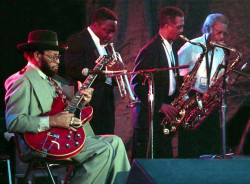
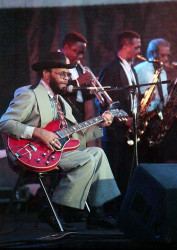
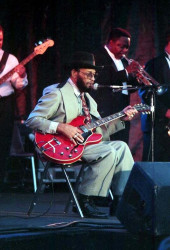
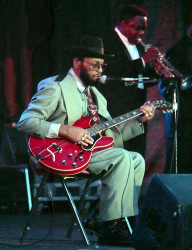



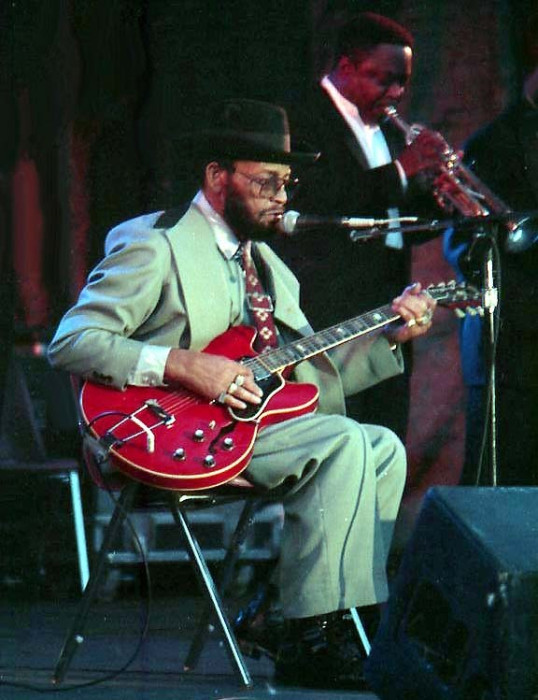
Lowell Fulson
Lowell Fulson (March 31, 1921 – March 7, 1999) was a big-voiced blues guitarist and songwriter, in the West Coast blues tradition. Fulson was born in Tulsa, Oklahoma. He also recorded for business reasons as Lowell Fulson and Lowell Fulson. After T-Bone Walker, Fulson was the most important figure in West Coast blues in the 1940s and 1950s. According to some sources, Fulson was born on a Choctaw reservation in Oklahoma. Fulson stated that he was of Cherokee ancestry through his father, but he also claimed Choctaw ancestry. At the age of eighteen, he moved to Ada, Oklahoma, and joined Alger "Texas" Alexander for a few months in 1940, but later moved to California, forming a band that soon included a young Ray Charles and tenor saxophone player, Stanley Turrentine. He recorded for Swing Time Records in the 1940s, Chess Records (on the Checker label) in the 1950s, Kent Records in the 1960s, and Rounder Records (Bullseye) in the 1970s.
Fulson was drafted in 1943 but left the United States Navy in 1945.
Fulson stayed with the Checker into 1962, when he moved to the Los Angeles-based Kent Records. 1965's "Black Nights" became his first hit in a decade, and "Tramp," did even better, restoring the guitarist to R&B stardom.
Fulson's last recording was a duet of "Every Day I Have the Blues" with Jimmy Rogers on Roger's 1999 Atlantic Records release, "The Jimmy Rogers All-Stars: Blues, Blues, Blues."
A resident of Los Angeles, Fulson died in Long Beach, California, in March 1999, at the age of 77. His companion Tina Mayfield stated that the causes of death were complications from kidney disease, diabetes, and congestive heart failure. He was the father of four and grandfather of thirteen.
In the 2004 film Ray, a biopic of Ray Charles, Fulson was portrayed by the blues musician Chris Thomas King.
Some of Lowell Fulson awards included:
- 1993 - Blues Foundation Hall of Fame: Lowell Fulson inducted
- 1993 - Blues Foundation Hall of Fame: "Reconsider Baby" (Classics of Blues Recording - Singles or Album Tracks)
- 1993 - Blues Foundation Blues Music Award: Hold On (Traditional Album of the Year)
- 1993 - Rhythm and Blues Foundation: Pioneer Award
- 1995 - Grammy Awards: Them Update Blues (nominated for Best Traditional Blues Album of the Year)
- 1995 - Rock and Roll Hall of Fame: "Reconsider Baby" (included "500 Songs That Shaped Rock and Roll")
- 2010 - Blues Foundation Hall of Fame: Hung Down Head (Classics of Blues Recording - Albums)
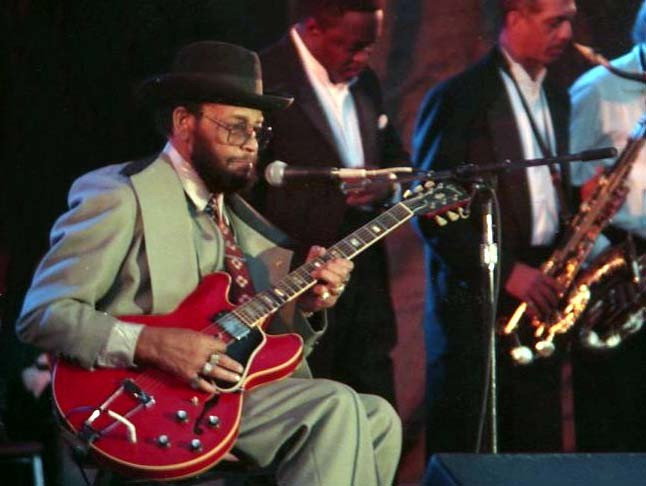
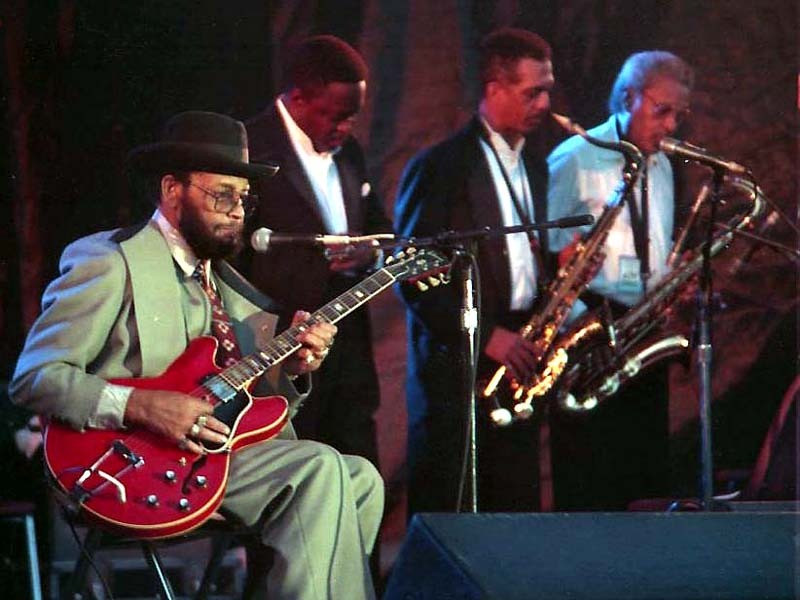
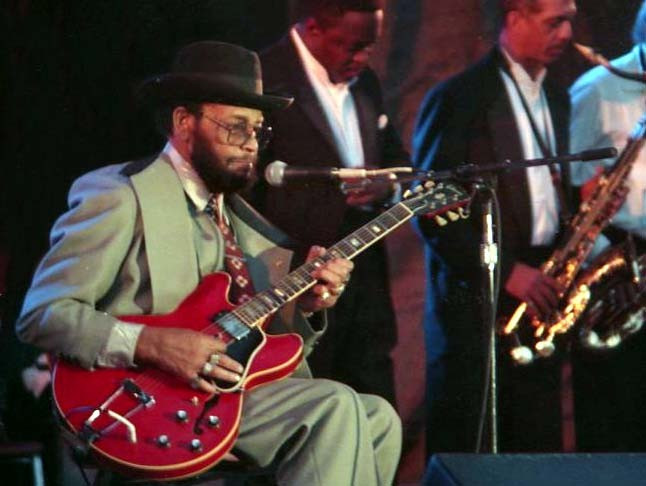
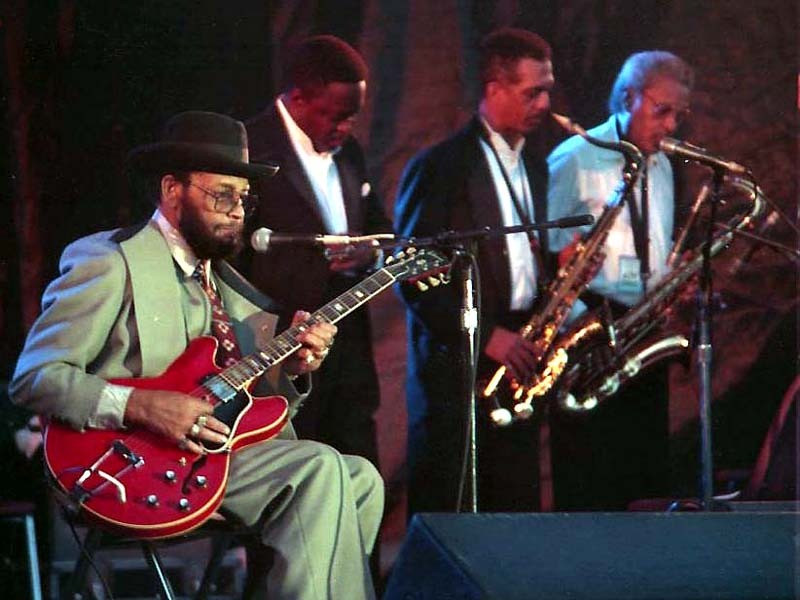
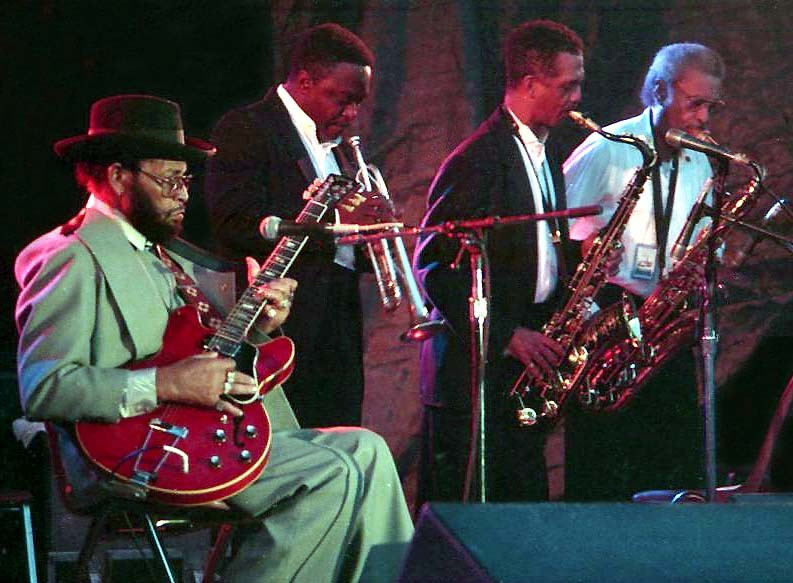
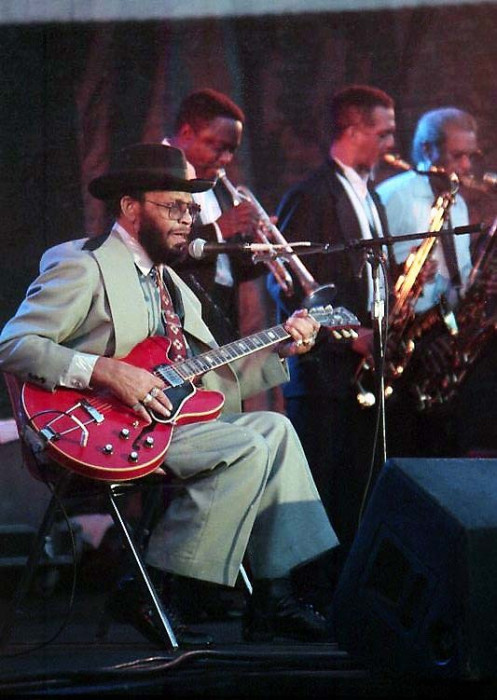
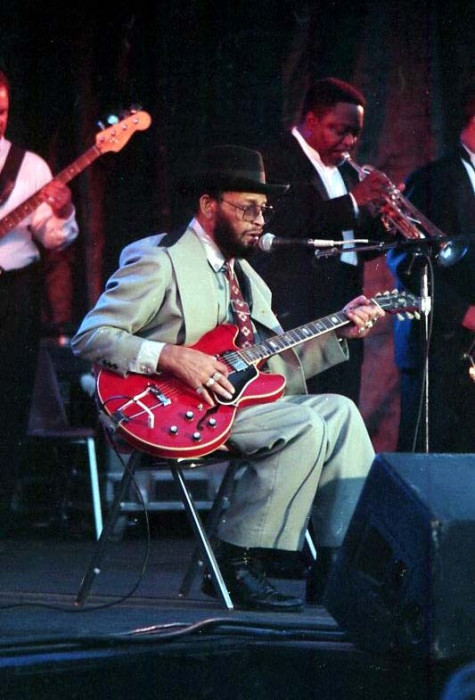
(Lowell Fulson on the Blues Cruise 1994)